
Artist Profiles
Artist Profiles
Exploring the visionaries behind the canvas
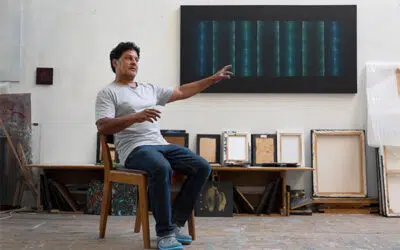
Prakash Patel
“A recurring thread in my work is the belief that everything, from atom to universe, is connected – a principle rooted in Indian philosophy.”

Linda Gair
“This constant act of discovery is exciting, it’s really the anticipation of my being part of the object’s transition and then being a part of its new perception and reception.”

Ara Dolatian
Born in Baghdad and now living in Melbourne, Ara Dolatian is an interdisciplinary artist whose practice spans sculpture and ceramics.

Brenda Clews
“For me, art is about connecting with others without words. Through light, colour and space, I explore the quiet conversations that exist within the landscape. I want to invite the viewer to be reminded of their own memories, experiences and emotions, that’s when I feel like there’s a true connection being made.”
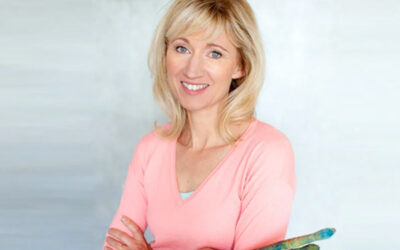
Sally Barron
Sally Barron is an Auckland-based painter who completed a Master’s with distinction at Whitecliffe College of Art.

Kate Bedford
Kate Bedford is a painter based in Tāmaki Makaurau.
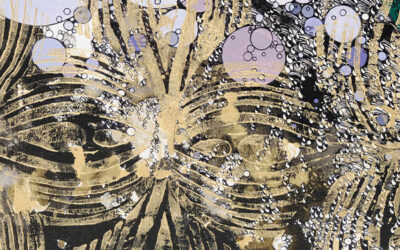
Shintaro & Yoshiko Nakahara
The artworks develop without any verbal communication. We communicate only on the canvas through the painting and drawing process, and nothing is right or wrong.
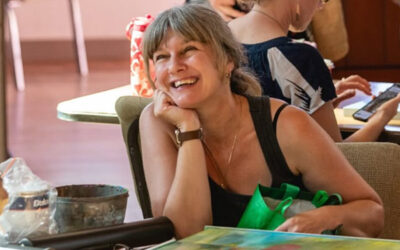
Rebecca Tune
‘My art is a layering of surfaces that emerge, float and then sink away as another layer slowly rises.
I am interested in paint and its application. The many ways paint can be manipulated, rubbed and layered to hide and then reveal images and movement
beneath its surface.’
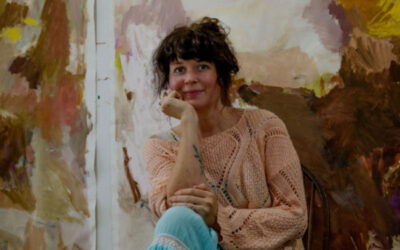
Lucy Rice
“My work softens the divide between what is outside and what is felt within, creating a quiet meeting place where transcendence begins to take shape.”
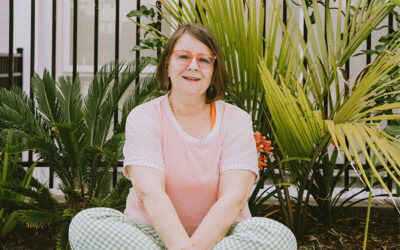
Linda Gilbert
Linda’s work explores unseen forces such as magnetism, gravity, and ocean currents, alongside ideas of wayfinding, perception, and emotional residue. Working intuitively, Linda blends Surrealist and Visionary approaches with research into contemporary science to create energetic, layered paintings.

Jana Wood
“I have changed my practice to be more sustainable, using wood, often recycled, where I can sand it back and reuse it if I have to. I like to make my own paints and have learnt ancient techniques like egg tempera. I forage for materials more and more.”
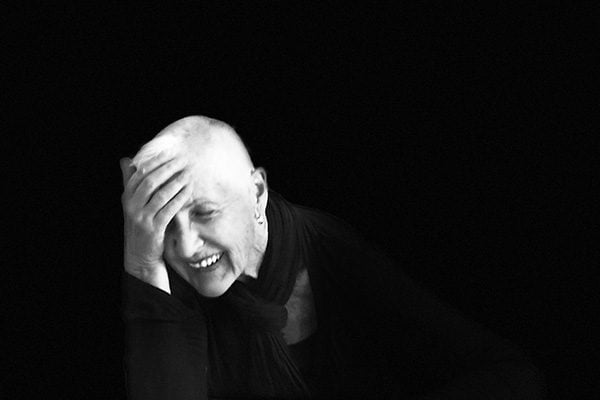
Jillian Karl
“My practice embraces the bodily and experiential, striving toward “the seeing” of the perfectly imperfect. Preparing my own paint stills the act of painting to a place of “not knowing”.”

Henk Tomkins
Henk Tomkins is an Auckland-based painter whose work blends gestural abstraction and screen printing to explore the raw intensity of human emotion. Informed by his background in dance, Henk uses movement and instinct to trace fleeting emotional states, creating visceral, unresolved works that reflect the complexities of being and feeling in a fractured world.

Mary Spacapan
Born to US-Canadian parents, Mary’s journey has taken her from the United States to Aotearoa New Zealand, where she now calls home.
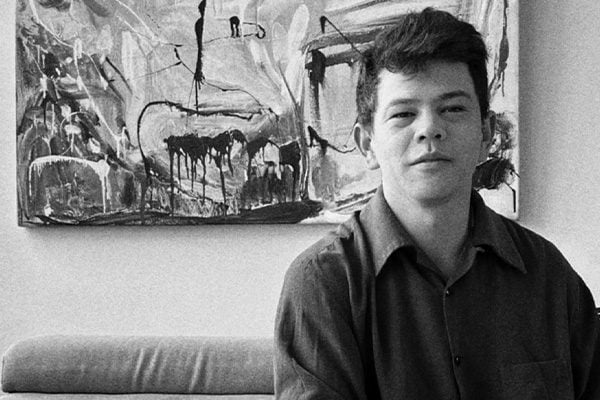
Daniel Kerr
“At age 14 I realised I was going to be an artist, at first I wanted to be a music producer, then I became a guitar player; and later I found my artistic vocation as a contemporary painter.”
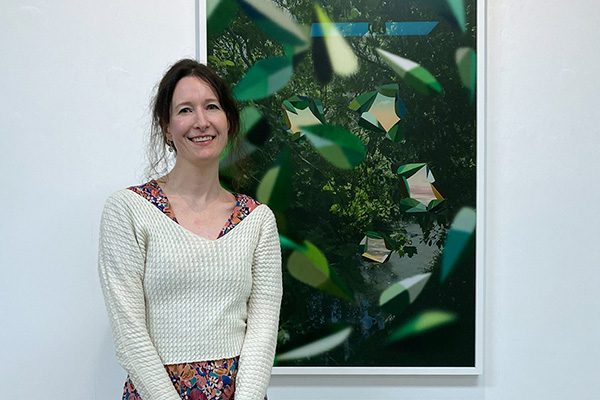
Kate Woods
“I like to work within constructed photography and video to create imaginary landscapes or alternate worlds. Some images tend to give the sense of a non-space, or at least a space that can never physically be accessed as it may not exist anymore.”

Karin Lange
“I often do not use any reference material when making my paintings. In fact, I prefer to just let it fall ‘out of my soul’ as it were!”
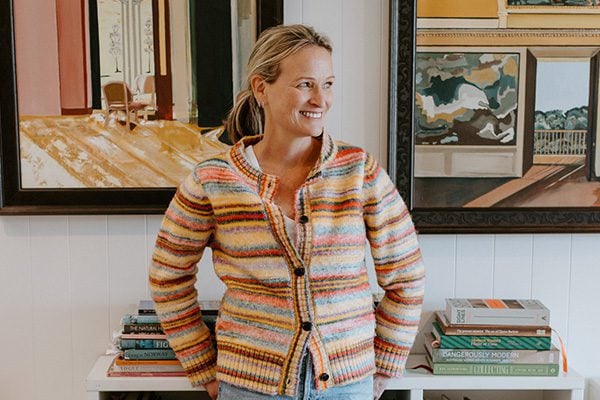
Tori Beeche
Tori’s paintings are formed through a process of extracting poetic moments from historical archives and encoding them with an alternative reality, asking viewers to consider the value of nostalgic reflection.
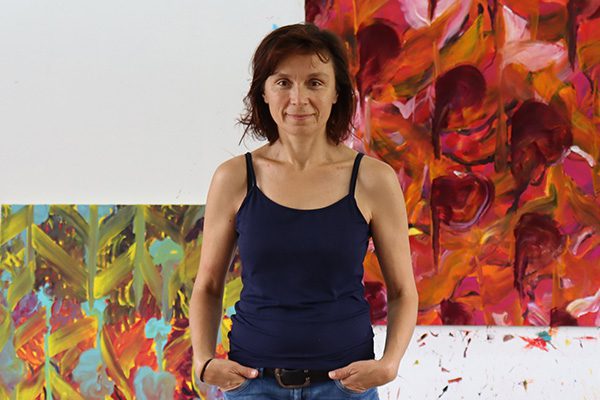
Ekaterina Dimieva
“Nothing is static. Art is changing, morphing and developing. This is the essence of life. This is the magic for me – I’m trying to capture that.”

Paul Screach
“As a visual artist I am interested in the unobservable. A universe of infinite space and possibilities.”
Tina Frantzen
“It’s the unexpected juxtapositions of objects and people that create fascinating and surprising images – from the seemingly mundane to the spontaneous and fleeting moments. Capturing that essence is always a delight for me.”
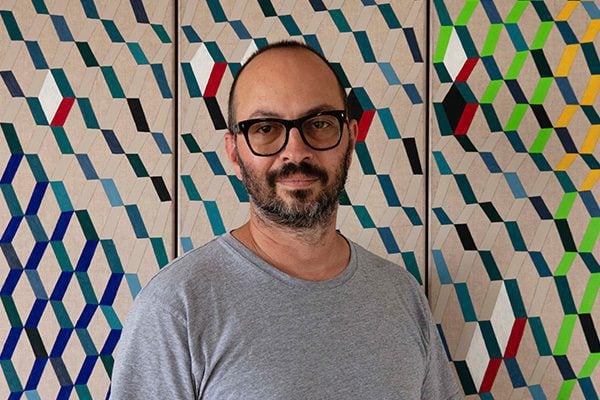
Bonco – Paul Nathan
“I’ve found freedom here – which is ironic because geometric painting is formulaic, structured, all about rules.”
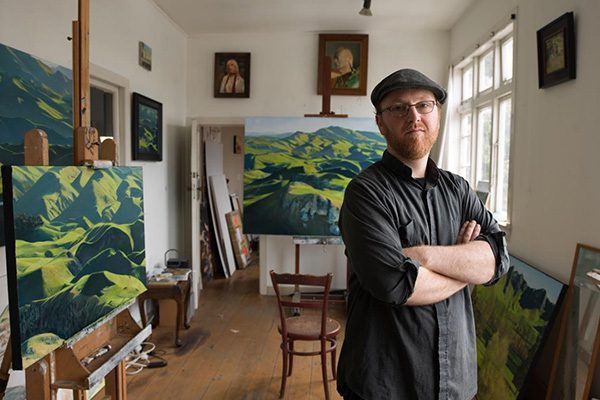
Freeman White
Drawing inspiration from the essence of surroundings and the...

Llenyd Price
Through vibrant contemporary artworks, Australian born Llenyd Price explores the intricate relationship between people and Aotearoa’s land. Their original artwork, inspired by Waikato and Kirikiriroa terrains, reflects personal identity and environmental concerns. Llenyd’s paintings, born from walks in native bush amidst encroaching development, question colonialism’s impact and human interactions with nature, capturing the tension between natural ecosystems and human-altered landscapes.
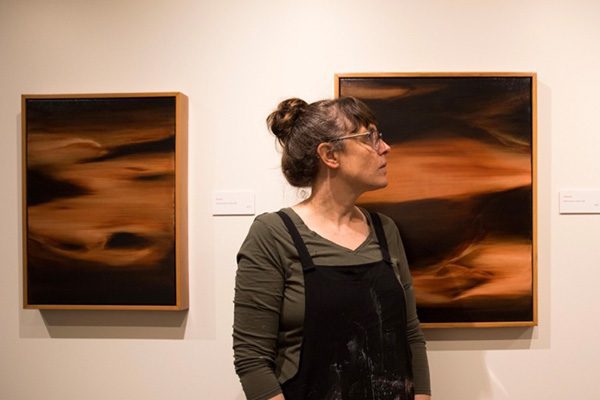
Hana Carpenter
“I see my paintings as biopsies, ambiguous organic structures captured in a suspended state or moment. The energy from my body is captured, contained and preserved in a finite space.”

Bobbie Gray
Bobbie’s practice, blending bold materiality with environmental consciousness, continues to push boundaries, inspiring audiences worldwide to reconsider their relationship with the planet through art that is both transformative and inclusive.

Neal Palmer
With a consistent interest in blending colour, pattern, texture and abstract forms, Palmer has consistently developed and perfected the illusion of a photographic depth of field. Allowing his work to slip in and out of pictorialism and abstract flatness; creating a tension between the paintings surface and the illusion of space. Aspiring for his work to be relational “on as many levels as possible” and passion for quality “mark-making that lifts the painting beyond the material world” is what drives this artist.

Billy McQueen
Elements of printmaking can be seen within his compositions, as he creates depth through layering light over dark. While Billy’s paintings traverse tranquility, they can also be read as contemporary descendants of Hockney or Warhol, who as pop artists were also masters of observation.

Lottie Consalvo
Lottie Consalvo’s works explore the human psyche, imagination, dreams, memory and their place in the real. With a practice traversing painting, performance, video, and sculpture, she looks at the physicality of the overwhelming presence of thought and the impact the mind has on all living things. She parallels these natural phenomena of the mind by investigating the human connection to nature, desire, longing, loss and the ungraspable.
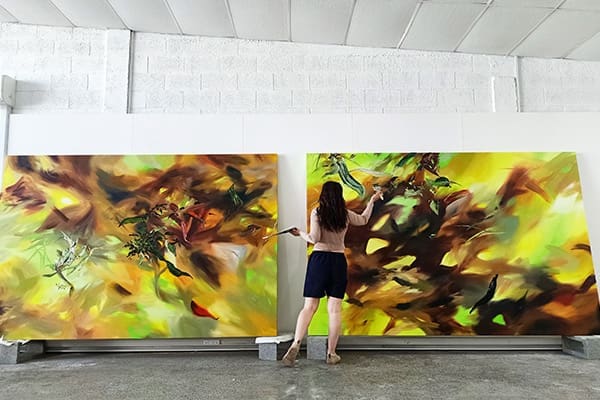
Molly Timmins
“My practice seeks to bring together and acknowledge a particular set of female artists whose work has paved the context I work in today. The mediums of paint and embroidery are utilised, individually and in combination, as a means of building contextual references while offering an opening into new ways of exploring landscape.”

Vicky Savage
Vicky’s works frequently evoke a sense of achievement and celebration for the figure depicted. Through these works, the artist poetically explores themes around the spirit of human endeavour, overcoming, rising against the odds, and particularly the notion that we must remind ourselves to be present in the moment.

Wendy Hannah
Wendy is a colour and light artist known for her vibrant reflective sculptural forms. Her beacons of light are a celebration of what is possible when an artist has an unbridled love of colour, light and play. She has a firm commitment to bringing modern innovation to time honoured processes. Drawing inspiration from Maori culture, her X-shaped creations pay homage to the rich heritage of cross-stitch patterns, weaving stories and connections into every piece.
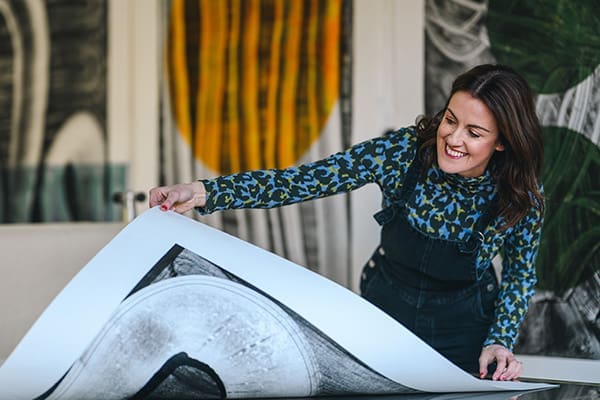
Zara Dolan
Drawing on abstract expressionist mark making, Dolan’s gestures are direct and intuitive; mediated by the application of colour. Each work follows a meticulous set of repeated motions, guided by a precise methodology that the artist has developed over years of art making. Yet, each iteration is also spontaneous – an immediate translation of painterly gesture and expression.
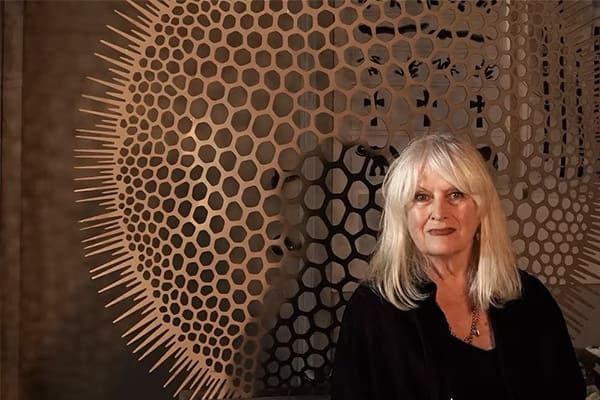
Virginia King
Renowned New Zealand sculptor Virginia King creates exquisite works in wood, metal, and stone. Her art is profoundly influenced by the natural environment, drawing inspiration from the forms of leaves, trees, shells, ferns, feathers, marine microorganisms, corals, and foraminifera. Virginia’s works often reference vessel forms, symbolising exploration, migration, nurturing, protection, life, and survival, weaving a narrative that connects the natural world with the human experience.
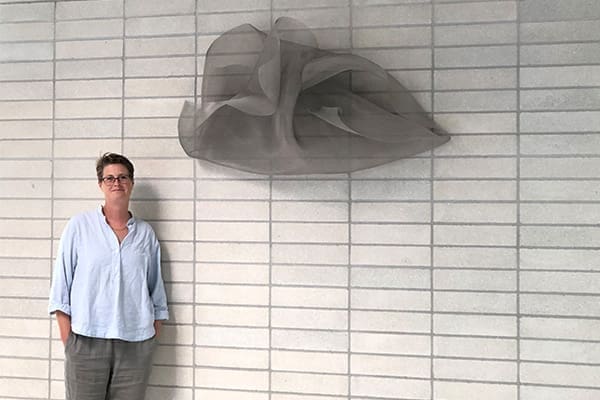
Sally Smith
“As an Architect I am interested in how my work inhabits a space, or even creates a space. Many of my wall mounted works have no boundaries, no frames but instead fully inhabit a space beyond the wall. This blurring between architecture and art interests me and is an area I want to extend my practice into.”
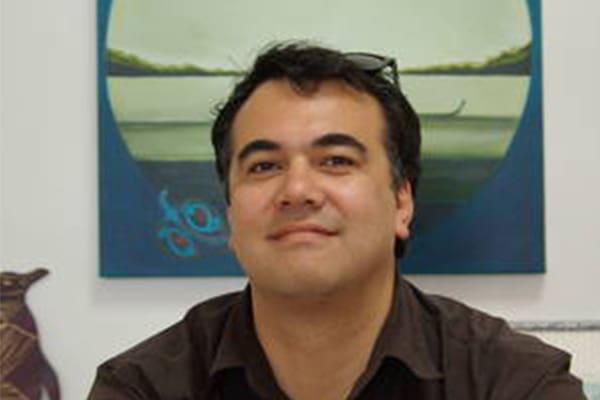
Sheyne Tuffery
Sheyne has been exploring his Samoan and Celtic heritage over the course of his three decade career as a visual artist. While studying printmaking, he found woodblock printing, which set him on a stylistic path that he still references in his multimedia works today.

Robin Ranga
“My reply to a common question Why do I paint/create figures from the back?
I create from an observer’s perspective and therefore subjects are viewed from the back: it’s all about their journey and for the viewer to interpret recognizable characteristics. My intent is to provoke thoughts on our similarities, proposing compassion is a universal expression.”
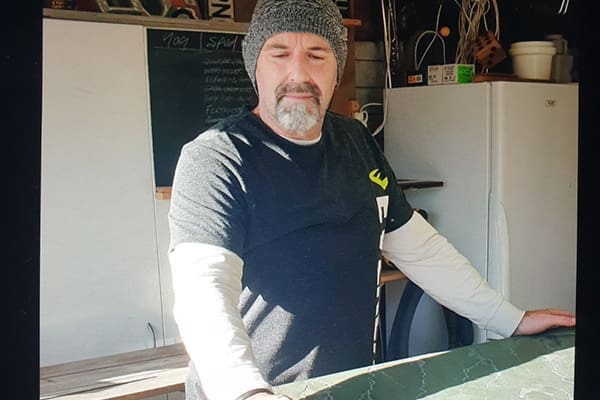
Shane ‘Spud’ Dudley
“As much as I love the freedom and challenge of creating one off pieces, the thing I think i love the most is actually installing them and seeing the clients reaction. “
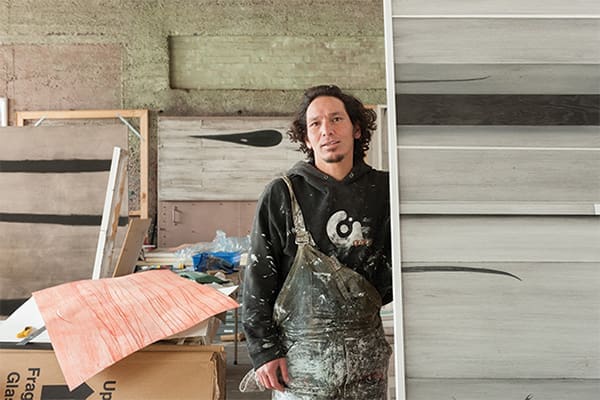
Simon Kaan
There has been much written about Simon Kaan’s beautifully articulated printed and painted scapes. His soft focus, tranquil palette and finely stacked horizons, peppered with highly emotive and delicately rendered symbols and icons, have become a well-known and much-loved addition to the New Zealand art canon. But there is also a sense that there is something undisclosed, the strands of other more heavily loaded ideas lurking just below the surface of his serene visions of land and sea.
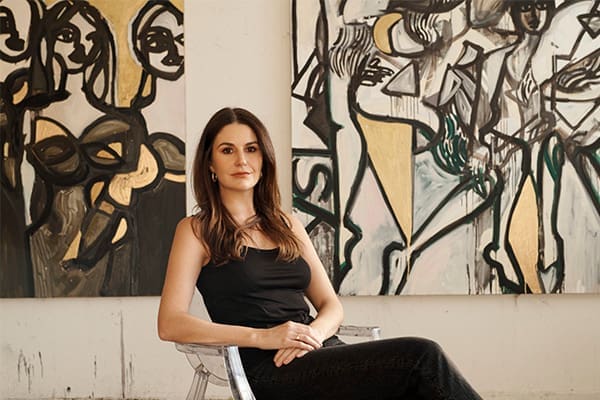
Natasha Wright
Natasha is a New Zealand born artist based in New York. She creates large-scale paintings, which fuse figuration and abstraction. She explores ideas of gender, sexuality, power and aggression. Her work critiques the representation of females throughout history alongside contemporary references.

Pip Woods
“I really enjoy having the freedom to explore the medium of clay, and all it’s wonders and mysteries. Mostly though, I love seeing others connect with pieces I have made, and how these pieces become vessels of love and meaning in the form of gifts and cherished objects in other people’s lives. “
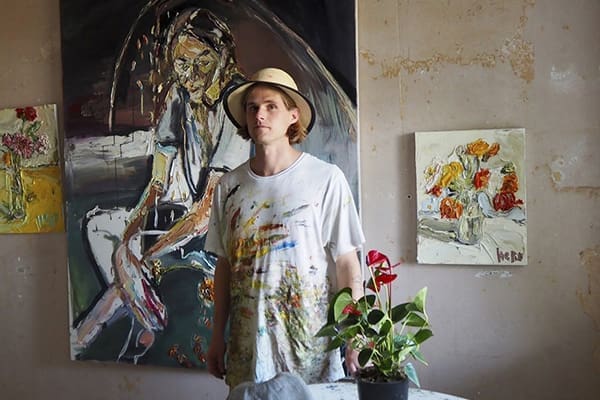
Nick Herd
Known for his thick application of paint, referred to technically as impasto, Herd has carved out a recognisable style distinctly his own. With a sophisticated palette and incredible artistic restraint – especially when using excessive amounts of oil paint, the artist captures movement and life in every textured stroke. His thick gestural application of paint, explores the performative nature of painting and the physical discharge of energy and anxiety; where the subject becomes a vessel for contemplating the human experience.

Rachel Murphy
Rachel’s art is a poetic celebration of nature, expressed through delicate porcelain vessels. Specializing in porcelain slip casting, she captures the essence of New Zealand’s landscapes, drawing inspiration from its cliffs, mountains, and dramatic skies. The rich colours evoke the beauty of her surroundings, while the incorporation of 24k gold leaf adds a luminous, opulent quality. Rachel’s meticulous attention to detail and texture invites viewers to appreciate the interplay between form and nature, making each piece a unique reflection of the environment and its subtleties.

Ray Haydon
Ray is constantly considering the unending physical propositions that lay in wait within the materials. With the most unforgiving and difficult media to work with, Ray bends, twists and forms works that show a fluidity of movement from the most rigid beginnings.

Peter Collis
“Throughout my career I have explored and experimented with multiple themes emphasising form, composition and spatial context. Primarily employing thrown circular, elliptical and constructed shapes. My work reveals a methodical approach that is both complex and yet refined in developing structures and glaze finishes. “

Lucy Eglington
“I use the language of childhood fables to create human narratives that highlight the duality of our lives.”

Louise McRae
“I make in parallel with living. You never know what life will throw at you, these works reflect the beautiful process of unraveling, of collapse. It is pain, that changes us and is a gift, an opportunity for something new.”
Liz Sharek
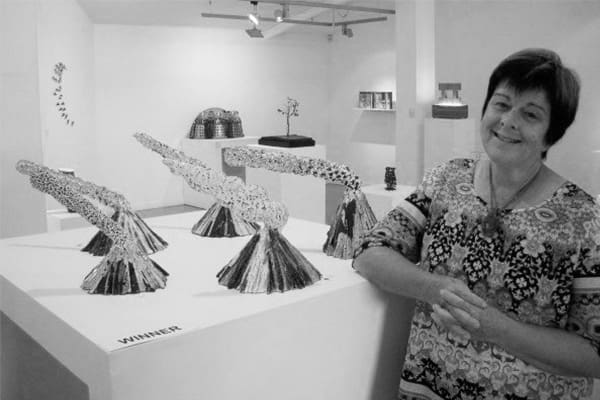
Liz has evolved her practice from a craft based perspective to conceptual, which has led her to a very contemporary oeuvre of work. Her piece Bottle Vessel (2023), for example, is a contemporary play on the bottle shape, with the artists’ signature experimental style playing across the surface. Of this style she says: “clay is such a lovely medium to work with, and the process is so much easier. It’s playful–you can start something and if it’s not working, it’s no big deal. I still love glass and always will, but for now this is where it’s at for me.”
Max Gimblett
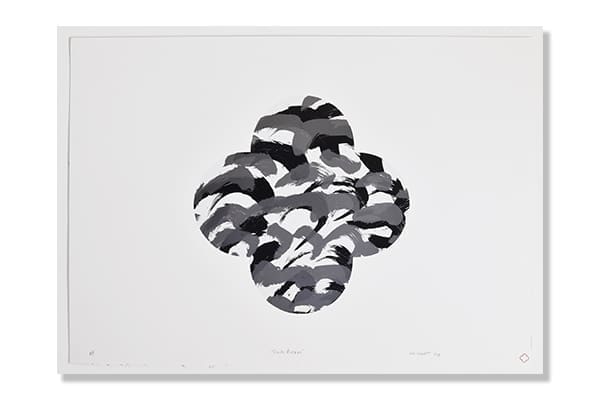
Max Gimblett’s practice is rich with influences and philosophical engagement, from Abstract Expressionism to Eastern and Western spiritual beliefs. Known for creating distinct canvas shapes, particularly the quatrefoil, he engages in his own form of expressive abstract painting. Gimblett continues to experiment with gesture, colour, and precious metals in his practice today. Bridging cultures and spiritualities, his work draws from concepts of consciousness and enlightenment. This is reflected in the production methods and colour choices behind his gestural abstract paintings.

Melissa Young
Melissa works generally in bronze and produces delicate figurative works. Her bronze works have been described as a social commentary on life, celebrating the lives of women past and present.

Michael McHugh
With the use of gestural acrylic mark making, Michael creates a layered abstraction moving between the paintings’ surface and botanical shapes. Works are sometimes sombre and brooding, and at other times energetic and vibrant, with textural layers echoing moments in time. Michael believes constant drawing and collaging to be fundamental to his painting process. This foundation enables him to fully explore composition and vigorously push boundaries with colour and technique.
Mickey Smith
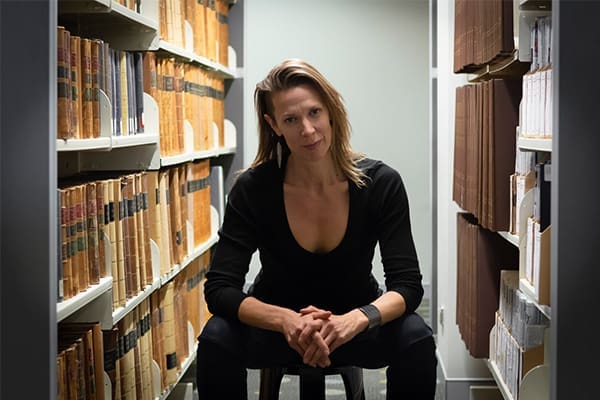
Mickey’s photographs of bound periodicals, combine the technical finish and compositional elegance of portrait photography with the contingency of the snapshot. They are still life’s of objects captured in the wild. The photographs are striking and ingenious, and they’re also surprisingly compelling in other ways. These are pictures that seem to have something to tell us.
Matthew Carter
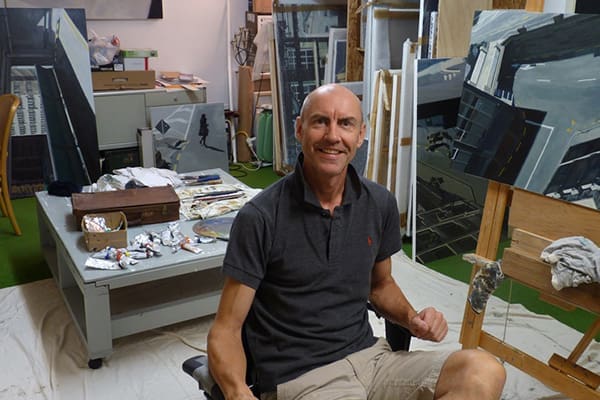
Matthew’s paintings are full of excitement and sophistication which is expertly captured by his brush. Those wishing to bring a layered piece with a story into their oeuvre will appreciate his perceptive style. His interest in urban life is captured in this high contrast, high perspective piece that echoes Edward Hopper’s famous diner in Nighthawks. His realist style also makes way for an incredible composition, using heavy paint application and light to create a sense of vast space and style.

Maria Owens
“Every painting or sculpture is like a little piece of me, my voice, feelings, thoughts start on a blank canvas or a lump of clay and I stop when it feels right.”
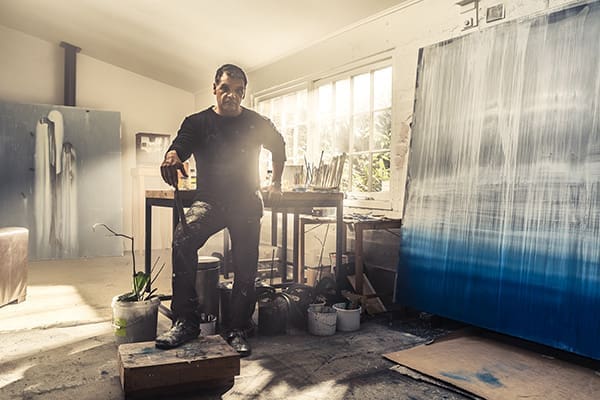
Cruz Jimenez
Cruz’s art style is a captivating fusion of personal heritage and a profound appreciation for the natural world. His abstract paintings, crafted from a unique blend of wax and oil, draw inspiration from the stars, seas, and galaxies. Characterized by fluidity and depth, Cruz employs layered textures and rich, organic colours to evoke a sense of cosmic wonder. Through dynamic brushstrokes and drips, his work captures the beauty of movement while celebrating universal themes of connection and discovery.

Laura Currie
“I like the tension of creation; you have to create problems for yourself on the canvas that you then try and solve. Sometimes you’re successful, and when that happens, the sense of achievement is immense. “

Katie Brown
“I’m definitely inspired by nature and the natural world around me. I’m at my calmest when I’m at the beach and I find that’s when I’m my most creative. When the stresses of life aren’t around me and I can actually think with clarity.”

Karen Covic
Karen is originally from the UK where she studied at the Slade School of Art. After making Auckland her home, she began studying towards a masters of fine arts at Whitecliffe. She is an active member of the Auckland artist community, working from her downtown Auckland studio. Karen is a process driven artist, which can be seen in her painting Rosa II (2022), a bold, inky composition that creates a daring, imaginative wonderland.
John Pule
When John Pule first arrived in inner city Auckland as a young adult in 1980, the formal tenets of poetry and painting were largely unknown to him. Over the next 30 years, he would explore new directions as both writer and painter. He has since developed a reputation as one of this country’s leading contemporary painters and an important artistic voice from the broader Pacific region. His work is highly inventive, particularly in its adaptation of traditional Pacific art forms. It sometimes includes challenging and provocative content related to colonisation.

Julie Collis
“As an artist I am concerned about our planet, my place on it as a woman and as a consumer.”

Julie Cromwell
Cromwell’s works have developed from the artists’ ongoing research into the historical linage of clay and ceramics, as well as a recent exploration into funerary ware. The transmutation of clay itself captivates the artist: the material moving through states from mud to clay, to form, through fire to permanence. The work carries marks from the hands of the creator, while being exposed to carbon firing techniques and the rudimental pit. The imbued scars lay bare on the surface of the vessel: traces of their own narrative, and of becoming.
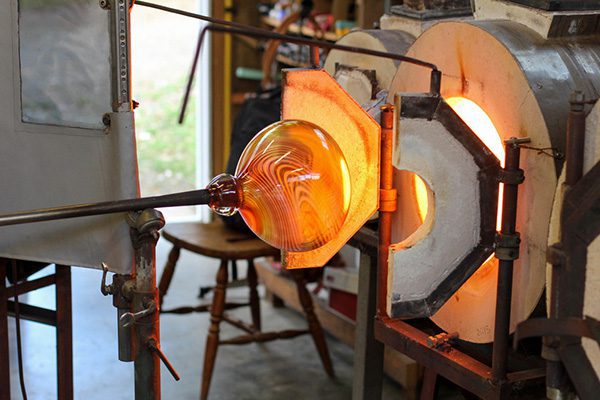
Justin Culina
Working in the breathtaking surrounds of Northland, Justin gains inspiration from the landscape, including local beaches where land and sea meet and interact. These elements are found within his work, as seemingly abstract swirls within the glass explore tidal patterns, island forms and the fluidity of the ocean. Between his love of the ocean and hot glass, natural shapes with stunning colours form. Justin also appreciates the direction the glass itself wishes to go.
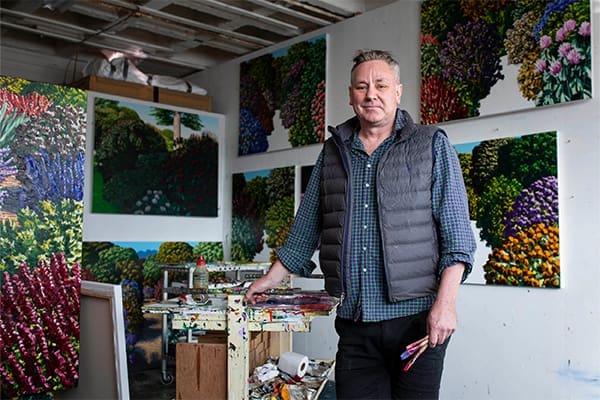
Karl Maughan
Karl Maughan has created a rich body of work over decades. He is particularly well known for his signature subject – the garden. Maughan has pursued this subject in an almost meditative fashion, creating and recreating crisp gardenscapes in clear sunshine in endless configurations.
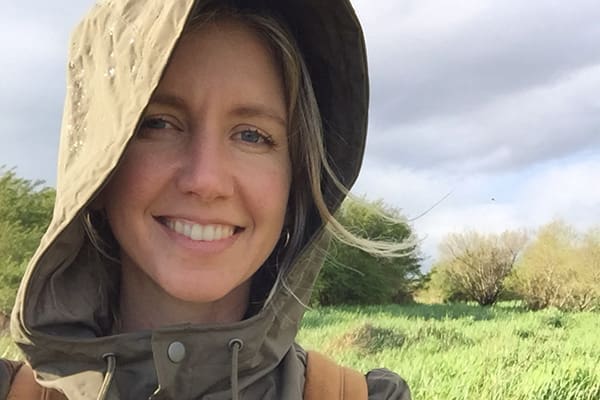
Kate van der Drift
Kate van der Drift is a contemporary photographer working and living in Aotearoa. She has a particular interest in recording and highlighting the relationship between humankind and our natural habitat through ecological studies of the land using analogue film processes.
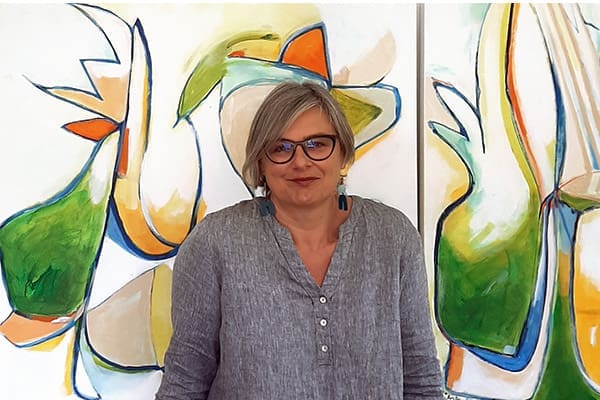
Kirsty Black
“I see painting as an extension of storytelling – a medium where imagination has free rein, allowing you to dive into the colour, get lost in the twists and turns, discover new things when you loop in and out and even off. It gives you permission to go on an adventure, to explore. I find that very satisfying.”

Kiya Nancarrow
“My work is based on a notion of a continuum of energy/movement (mostly Buddhist in origin) It is important to me that the viewers eye can move uninterrupted (by corners, straight lines or any distraction)”

Kyla Covic
Auckland artist Kyla is a painter of light, her landscapes capturing fleeting moments where the sun rises and sets. Often referred to as the golden hour, this magic second when the sun hits the landscape in all its glory is one the eye can hardly see for a moment, which creates a scene of mystery and Romanticism.

Liam Gerrard
Liam is known for the exquisite, meticulous detail with which he paints and draws. Notions of the passing of time are made apparent not only through his chosen subject matter but by the very processes that he employs.
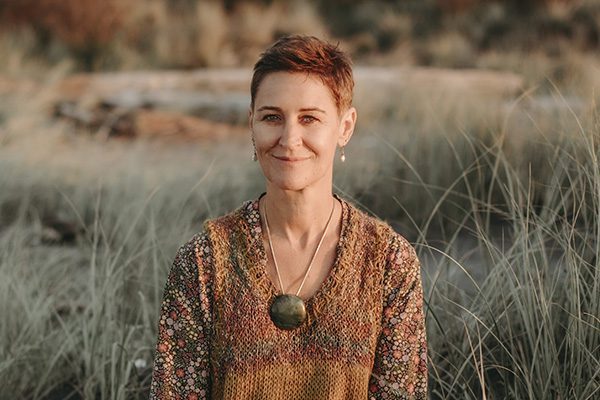
Fiona Kerr Gedson
“What I like about being an artist is that I can explore making sense of everyday life through my mahi, it helps me process and celebrate stages that I am going through. Creating my work is just plain good for me: it centers and focuses me in the best way. I also love the collaboration that occurs with commissioned work. Often, something new arises from that process, whether that is the work being informed by a specific space or the desire to convey a specific message for clients. “
Dick Frizzell
Frizzell has mastered the ability to continuously reinvent his practice, traversing a range of themes and styles, though always through a highly skilled handling of paint. His works often tap the New Zealand psyche and strike a strong emotional resonance – be it playful humour, nostalgia, or rebellion. He pushes the boundaries of tradition, often intertwining high art and popular culture. This playful and idiosyncratic artistic sensibility invites the viewer to consider painting from a fresh perspective, as a culturally engaged and constantly reinvented artform.
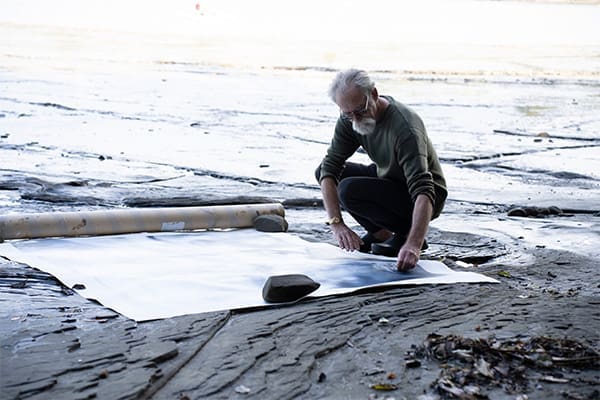
Garry Currin
“My practice is to take a rolled up canvas and to make my way over to the rocks – it’s the rocky foreshore that informs me the most as the extension of my working space.”

Di Tocker
“People often ask me about the narratives behind my glass artworks. Each piece starts with a story, a ‘reason’ for my making impetus, however I am not fixated on translating my story through my art. The ending of the story only comes into being when a glass piece has found its forever home, and this is told through its new owners.”

Jamie Chapman
“The important thing to me about my work is the process. It’s about playing with the balance of image and paint. “

Jarred Wright
“What I like most about being an artist is questioning the concept of made or craft; the satisfaction of navigating difficult design decisions; pushing material limitations; building unique skills; critical thinking, problem solving functions and analyzing aesthetic forms… But most of all: Having a beer at the end of the day and the simple gratification of looking at what I’ve created with my hands. That’s the part I live for.”

Jeff Thomson
Jeff Thomson is well regarded as one of New Zealand’s foremost metal sculptors, especially in corrugated iron. His work has been seen by millions, most notably the giant corrugated iron gumboot in Taihape, and Holden station wagon in Te Papa’s art collection. Jeff’s small sculptures are just as awe-inspiring as his public pieces. He has the unique ability to visually soften hard material, delicately arranging it, as seen in his sculpture Floral. The influence of drawing and painting can be seen within these pieces, as well as a concern for the natural world.

Chris Heaphy
To Heaphy, image and paintwork are physically and conceptually intertwined; the image is materially comprised of paint, and the conceptual meaning of the image is inseparable from how it has been painted. His work is dynamic and vibrantly colourful, yet it retains a sense of contemplative poise – a place of rest within a world of turbulence.
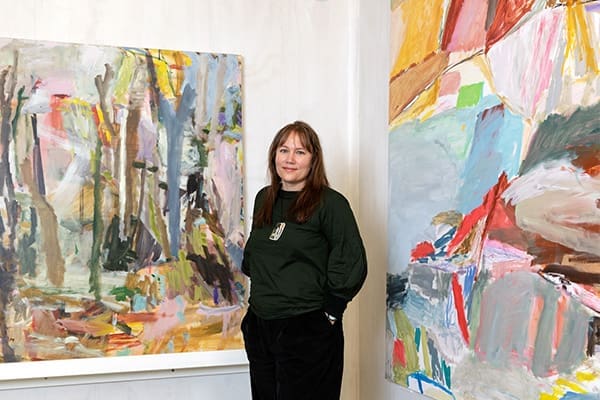
Deborah Moss
“My work is a painterly documentation of my daily life immersed in nature, surrounded by a rural landscape and native forests.”

Chris Moore
“I have been working with metal for 25 years and never tire of taking cold hard metal and bringing it to life. I love exploring new ideas and constantly exploring different styles. I also love challenging myself and making work out of my comfort zone. “

Annie McIver
“Small haemorrhages of the self are my motivation that track our life’s journey – I make emotional art.”

Aaron Waghorn
“Take your time with it. Look closely observe and discover the little bits within the whole.”
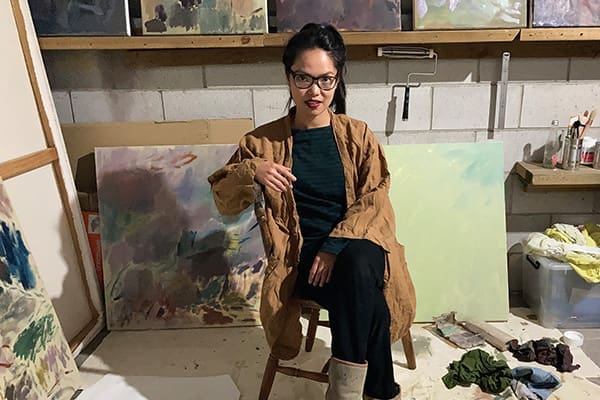
Andrea Bolima
Andrea Bolima’s adventures in aesthetics are fuelled by the visual qualities of experience from the actual process of painting. The artworks reveal the layering and unlayering of forms as structural elements slowly unfold and sometimes deteriorate. Bolima’s sensitivity to her surroundings can be seen from the subtle shifts in tone and delicate splashes of colour. Tonal variations demonstrate the different levels of intensity that emerge from the materiality of paint. Colours are blended and established on the canvas itself showing her mediation between careful considerations and random gestures.
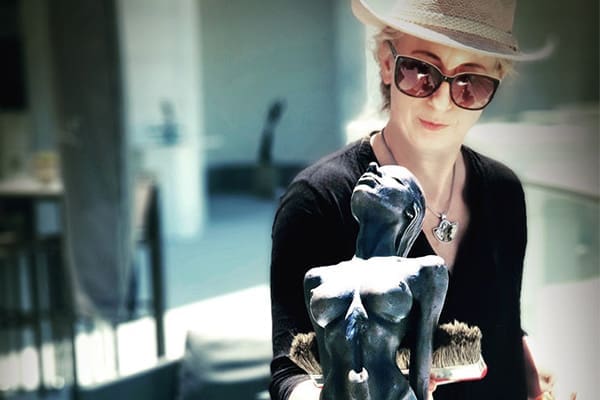
Anneke Bester
Anneke is inspired by the balance created in ballet poses, which create lines across the body that celebrate the female form. Her works are cast in bronze yet appear to defy gravity, with the expressive forms and sensual poses. Nothing is hidden away in her works, only celebrated. Anneke’s small sculptures are highly expressive, and confident. It is clear for the viewer to see that she wishes to convey an appreciation for feminine energy, and she does this through the use of Renaissance elements.

Catherine Roberts
Wellington artist Catherine Roberts invites the viewer into a serene moment of escape using natural forces to anchor her work within the sublime. Each of her paintings can be interpreted as an abstract utopian landscape, inspired by native bush, ocean and sky. Just as you forget you are lost within a world of paint, seeing only the burgeoning shifts in the sky and sea, you will be jolted back to reality upon spotting a delightful paint drip dancing down the canvas. There to remind you that this is an alternative world of silken paint and resin.

Anton Parsons
Antons’ practice embraces a broad range of media encompassing industrial materials, alreadymade objects, photography and installation. Concepts are realised with seemingly insignificant ephemera which when redefined, reconstructed and represented can often accrue new meaning independent of the artist’s original vision. In essence ‘sculpted’ materials become signifiers or clues to Antons continually evolving conceptual position.

Belinda Griffiths
Belinda Griffiths uses her brush to create captivating experiences within her paintings and prints that will leave any viewer in awe and wanting more. Her paintings are energetic and poetic, as they capture a wind whip or blur of a body moving through the world at pace. Belinda’s work is also contemplative, expressive brushstrokes moving delicately to discern a quiet moment or memory in time. Her gestures are so confident that viewers will feel immediately at home within her works, feeling the raw emotion that a simple gesture of the hand can imbue on a brushstroke.

Chauncey Flay
Chauncey is preoccupied with ideas around deep time and our relationship to the environment. He employs a meditative approach to his work of construction and deconstruction, involving slow processes of breaking stones and reconstructing them through faceting and polishing.
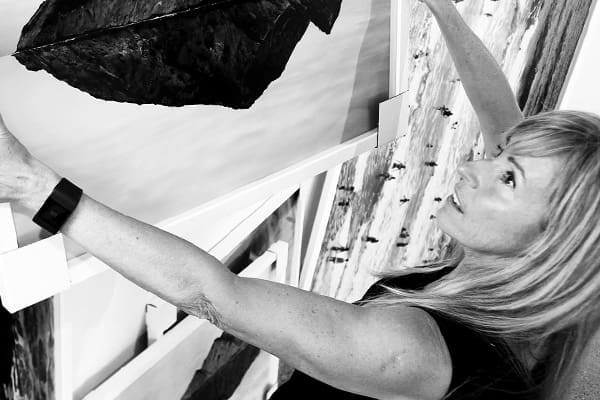
Cathy Carter
Cathy Carter’s work is inspired by concerns about climate change and our evolving relationship with bodies of water, drawing our attention to the growing evidence that these liquid ecosystems are under significant threat. Her practice navigates our complex psychological relationship to water, through different perspectives and geographical locations, as well as exploring bodies of water as physical, cultural, and unique environmental ‘landscapes’. Within these landscapes, there is an opportunity to reconnect emotionally with the natural world and make connections with internal worlds. She seeks to embody seeing as an experience rather than solely as an observation.
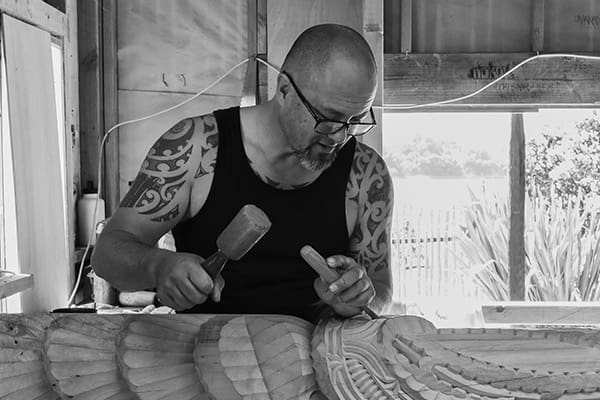
Chris Bailey
“I find being able to express myself, culturally, philosophically, and politically through my sculpture in a three dimensional way really satisfying, it allows me to take concepts that otherwise might existing in thought or writing and manifest it physically in a way that people can engage with as they go about their day to day.”

Caro Pattle
Whanganui artist Caro Pattle lives and works in Naarm Melbourne where she creates soft vessels using hand-woven techniques similar to basketry, in lush velvet. These objects evoke joyful themes for viewers, inspired by functional objects yet only functional as art pieces to enjoy and delight over. Playfully constructed vessels and bowls echo ancient two-armed wine and milk containers, evoking pleasure from not only their shape but also their materiality. Vibrant colour choices along with an abundant use of textiles to create each piece is what gives these sculptures their unforgettable character.
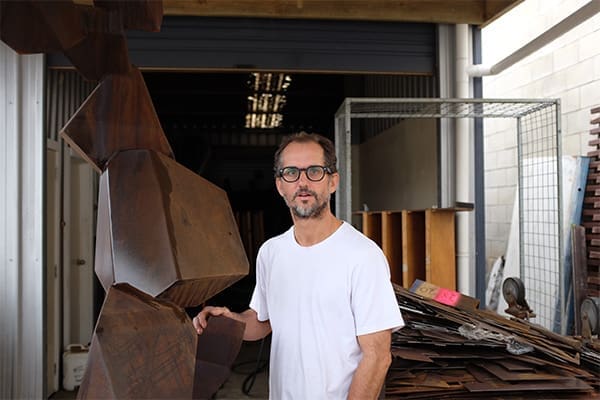
Ben Pearce
“My pieces aim to be bold and strong expressions of places I’ve been, people I have met and the beauty in the natural landscape. I’m equally taking cues from the many small rocks I pick up on my tramps and also life’s big energies. I want my works to encapsulate a feeling of calm and serenity, confidence and power. I work hard to make the works balanced yet surprising. This is why from different angles my pieces have altering silhouettes, you get a very different feeling from different perspectives and also in different lights.”

Monique Lacey
“The painter Brice Marden once said when asked when he knows when to walk away from an artwork “when the work can breathe on its own”. It’s hard to answer that question any better than he did. My work is sculptural in nature, and it is made by crushing the initial form and then subsequently re-inflating the form. So I literally breathe air into the work.”

Erin O’Malley
Erin is a painter who blends her background in interior design with a deep exploration of emotional and spiritual landscapes. Her creative process starts with a group of words that capture a feeling, which then guide her use of colour and form. Describing her paintings as “songs of beauty and joy,” Erin’s work delves into the hidden spaces of the human experience, revealing shared hopes, fears, and the unseen internal worlds we all navigate.
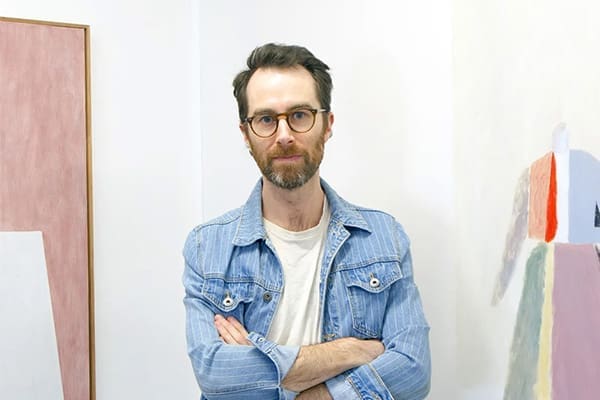
Alan Ibell
Alan Ibell’s paintings play out like a ‘Theatre of the Absurd’ performance, infused with the quiet emptiness of rural Antipodean Gothic. Through narrative, figure and form, Ibell’s characters enact a farcical comedy as means to explore existential concerns. Merging this exploration of the literary Gothic with abstract references to ancient Greek and Roman mythology and poetry, roaming hills and dark landscapes, Ibell creates visual allegories to a perilous paradise – tranquil, inescapable, disjointed. Figures wander through quasi-familiar environments, playing with the history of the New Zealand Gothic genre.
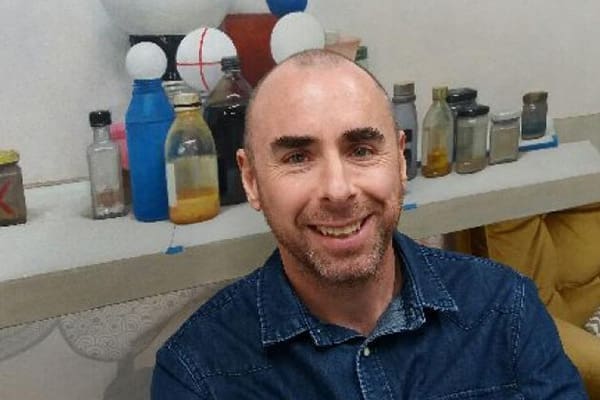
Damien Kurth
Kurth’s compositions are restrained – not minimalist – though pared back to an essence. So too are the items depicted. “These objects aren’t in themselves necessarily interesting or beautiful to look at, but when you really pay attention they change. It’s like when you utter a word over and over until it changes and you hear it differently. In the same way when you look at an object over and over something else emerges.”

Alexandra Howe
Alexandra is inspired by the effect of the light across the landscape, the resulting mood and the feelings it evokes. A subtle change from a passing cloud or shift in time, or something more dramatic like the onset of a storm or sudden stopping of rainfall, can transform the view or feeling of the landscape.
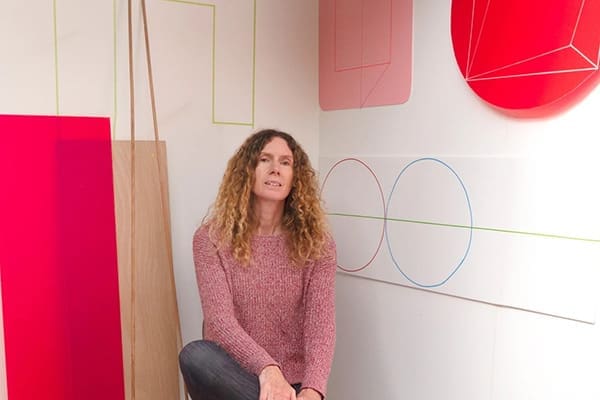
Karyn Taylor
In her self-illuminating wall-based sculptures and installations, contemporary artist Kāryn Taylor manipulates light, form, and shadow to challenge perception. She draws on geometric abstraction and her fascination with quantum physics to explore how consciousness might shape our reality, questioning the solidity of objects despite their composition of energy and empty space.

Katherine Throne
The tenacity, vigour and beauty of nature has been motivating Katherine’s practice for many years. The energy the artist feels within a wild garden she translates into large gestural marks and thick layers of impasto oil paint.
She manipulates paint in a way that mimics light refracting in nature, transporting the viewer into another world. We feel the lavishness of petals, the friction of stems, and the deepness of long shadows. One cannot help but be drawn into each scene; to be touched by the resonating energy of the flora and fauna in her works.
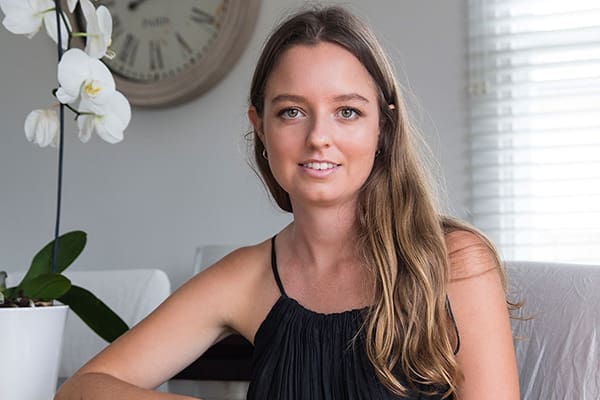
Loren Marks
The artist discusses how her figures reveal themselves to her while she works the canvas. Rather than alluding to specific characters the forms appear ambiguous and free of a fixed identity.
Under the power of Marks’ spell, paint is alchemical, oscillating between liquid and solid, transparent, and opaque, invoking figure and form.

Karen Walters
“I like to have positive ideas underpinning my work. Aesthetically, my work is organic and reflects stylised forms based around aspects of the natural environment, while conceptually, the intention of my work is to show gratitude to nature and at the same time make a connection between this and the growth of the human.”
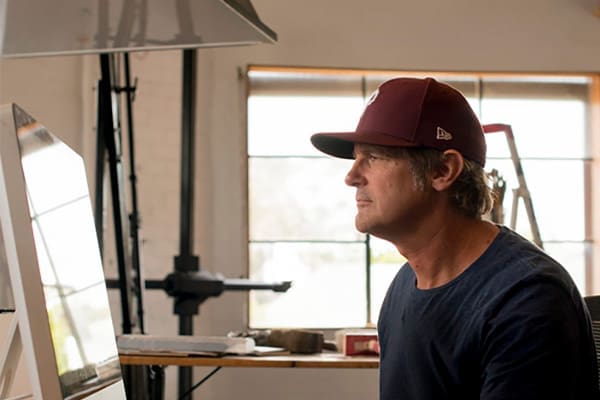
Matt Palmer
In a meditative mode of working, Palmer searches for imagery that simultaneously reminds him of his childhood and the history of the painting genre, setting out to identify that place in his imagination that falls somewhere between desire and reality, a construction of intimate experiences and highly personalised landscapes.